

How Construction Equipment Management Software Enables Control at Scale
In enterprise construction organizations, data access is not just a technical setting—it is an operational risk and a strategic control point. When equipment operations span hundreds of users across branches, regions, and projects, deciding who can view, edit, or approve information directly affects data quality, financial accuracy, and execution speed.
At smaller scales, broad access may feel efficient. At enterprise scale, it becomes costly. Errors are harder to trace, accountability blurs, and trust in system data erodes. This is why role-based permissions matter far more than many organizations initially expect—and why they are a foundational capability of enterprise asset management software.
Permissions Are About Governance, Not Just Security
In construction equipment management, permissions are often framed as a security concern. In reality, they are a governance mechanism. The goal is not to restrict work, but to ensure that the right people are doing the right actions, in the right systems, at the right time.
When everyone can touch everything, data quality declines. Inconsistent edits, unintended changes, and unauthorized transactions introduce noise that undermines reporting and decision-making. Over time, teams stop trusting the system, and work shifts back to spreadsheets and side conversations.
Role-based permissions create operational discipline. They define responsibility, reduce error rates, and establish clear lines of accountability—outcomes that become essential as organizations scale.
Built for How Construction Teams Actually Operate
Construction teams are not uniform, and permissions should not be either. Equipment operations often span centralized teams, regional managers, yard staff, project teams, and finance—all with different responsibilities and visibility requirements.
A robust enterprise asset management system allows permissions to be structured around real-world operating models. Access can be limited by branch or division so users only see the assets and transactions they are responsible for. Transaction-level controls determine who can create rentals, edit purchase orders, approve costs, or run inquiries. Sensitive financial data, such as rates or margins, can be hidden while still allowing operational visibility.
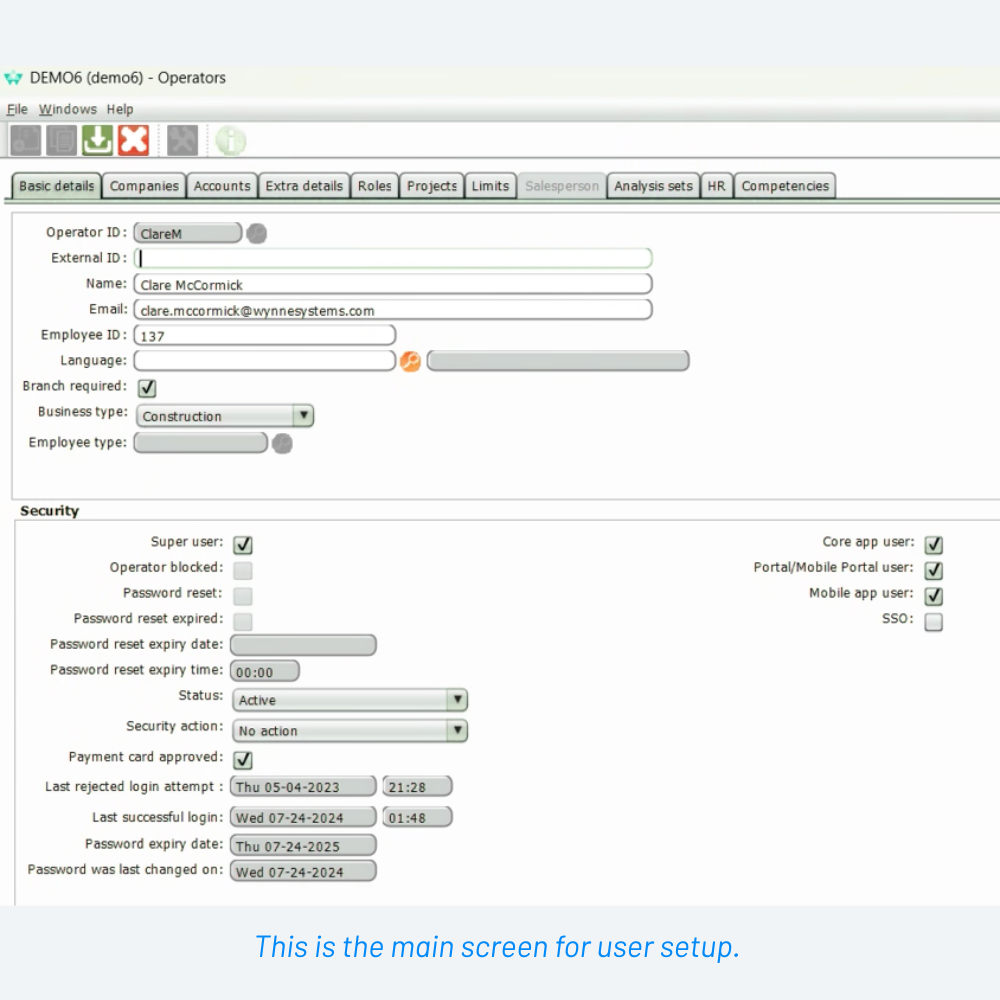
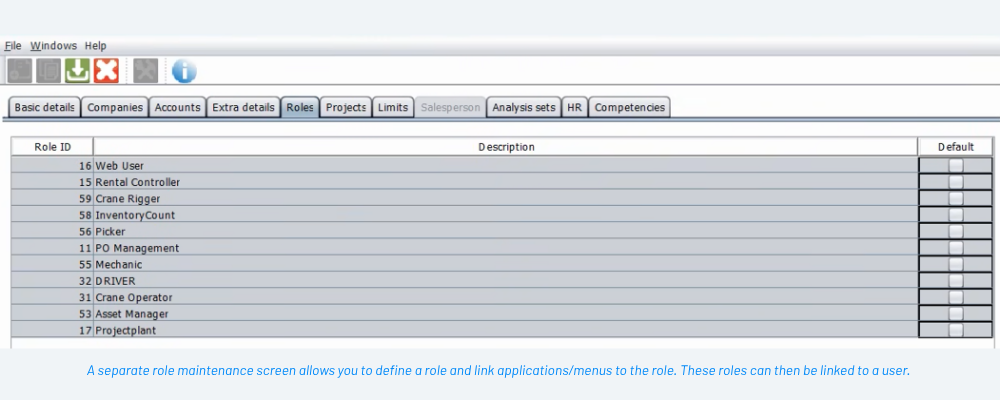
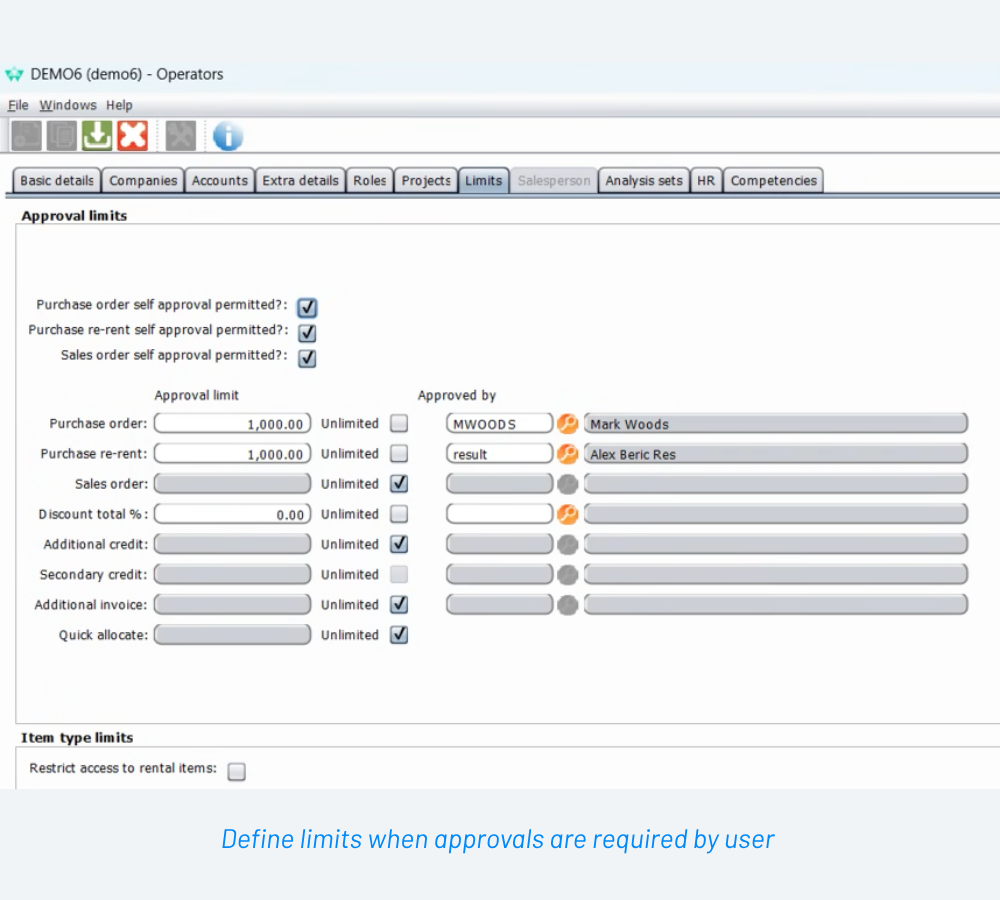
This flexibility supports both centralized control and decentralized execution—without forcing one-size-fits-all access that creates risk.
Matching Permissions to Real Roles
One of the most common breakdowns in equipment systems is forcing users into overly broad or overly narrow roles. In reality, many users wear multiple hats. A project manager may need to initiate rentals and purchase orders but should not receive equipment or handle invoicing. A yard manager may manage dispatch and returns but should not see billing rates.
Role-based permission models allow responsibilities to be combined intentionally. Predefined role templates accelerate setup for common job functions, while custom permissions ensure edge cases are handled without compromising governance. The result is a system that mirrors how work actually gets done, rather than forcing teams to work around it.
Why This Matters at Enterprise Scale
The impact of permissions becomes most visible when something goes wrong. Blanket access makes it difficult to trace errors or understand how a decision was made. Clean permissions make issues easier to diagnose and correct.
Organizations with disciplined permission structures see cleaner data because users only interact with what they are responsible for. Onboarding becomes faster, as new users can be assigned a role and become productive immediately. Accountability improves, because responsibility is embedded in system design rather than implied. These benefits compound when permissions are part of enterprise asset management software that also supports compliance reporting, audit trails, and ERP integration. Data flows cleanly between systems, controls are enforced consistently, and leadership gains confidence in the information used to make decisions.
How Enterprise Asset Management Software Enables Smarter Permissions
Role-based permissions are most effective when they are embedded in a broader asset management framework. Enterprise asset management software connects permissions with asset data, transactions, approvals, and financial workflows—ensuring that governance is not isolated from operations.
Within an EAM system, permissions support compliance requirements by controlling access to regulated data and maintaining auditability. Integration with ERP systems ensures that approvals and financial controls align across platforms, reducing reconciliation issues and compliance risk.
Control That Supports, Not Slows, the Business
Role-based permissions are not about slowing teams down. They are about removing friction caused by errors, rework, and uncertainty. When access is intentional, systems become easier to use, not harder.
In construction equipment management, where margins are tight and complexity is high, clarity matters. Clear roles, clean data, and accountable workflows allow operations leaders to focus on performance rather than cleanup.
Understanding how Enterprise asset management software supports role-based permissions is a practical step for organizations looking to improve governance without sacrificing speed or flexibility.
If you want to see how that works in a real operating environment, request a custom demo of RentalResult’s construction equipment management software to explore how your team could structure permissions, improve accountability, and support cleaner execution across the business.