
Trusted by enterprise firms running high-volume fleets
Turner Construction, Messer Construction, Mortenson, Swinerton, Black and Veatch, and Balfour Beatty Equipment run their equipment operations on RentalResult.



The basics
What Is Construction Equipment Tracking Software?
Construction equipment tracking software is the system a contractor uses to record where each asset is, what state it is in, who has it, and how much it is used, across every jobsite, yard, and warehouse. It combines telematics location data with scans, check-outs, transfers, and returns, so the equipment office, the jobsite, and finance read the same record.
A GPS tracker tells you
Where a machine is.
Useful, but only for assets big enough to carry a device.
Tracking software tells you
- Whether it is assigned, idle, in transit, or down for service
- Which job it is charged to
- Whether it can be redeployed to the next project
- Where the tools, kits, consumables, and bulk items like scaffolding and shoring are, not just the machines
Who uses it
Equipment managers, jobsite foremen, yard and warehouse teams, procurement, and operations leaders at general and specialty contractors that own and operate their own fleets.
Where it fits
Tracking is one part of construction equipment management software, which adds maintenance, rental, and cost recovery on the same asset record. Tool tracking software covers the small-asset end of the same problem.

- Transitions off the completed job
- Returns to a warehouse or yard
- Is redeployed to the next project
- Stays visible, accountable, and available the whole time
Enterprise teams manage thousands of small assets with the same rigor they apply to large equipment, without treating any item as disposable.
Tracking methods
How Construction Equipment Is Tracked: GPS, Telematics, Scans, and Check-Ins
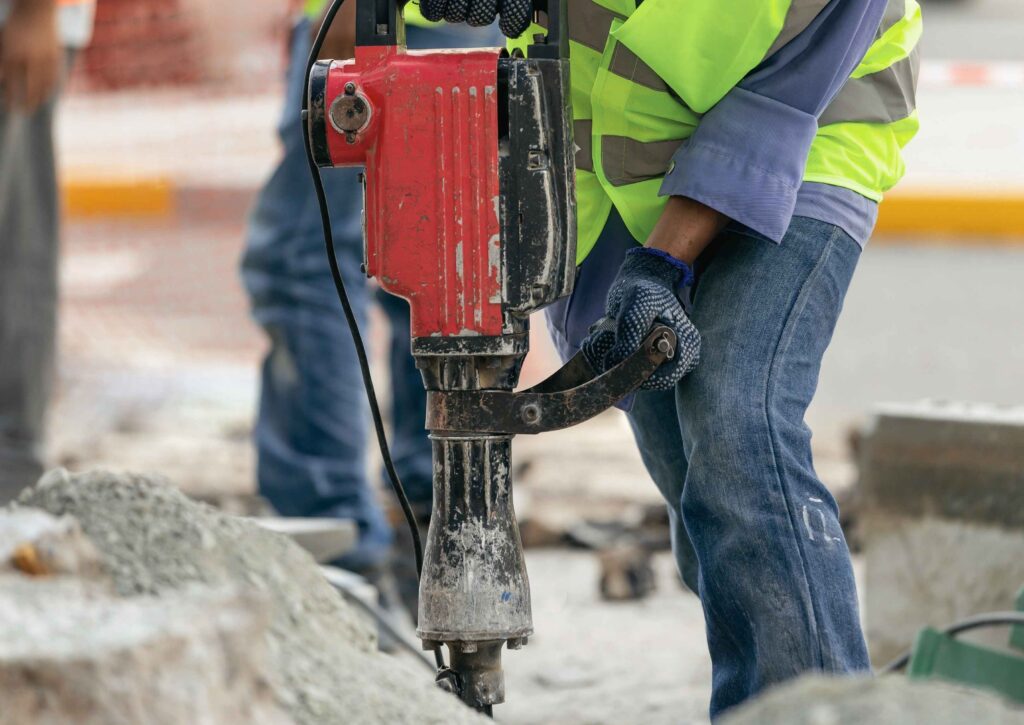
No single method tracks a whole construction fleet. Heavy equipment carries telematics, small tools carry a barcode or QR label, and bulk items move by the load. RentalResult brings every method into one asset record, so the equipment office sees one answer instead of three systems.
| Method | What it tracks best | How it reaches RentalResult |
|---|---|---|
| GPS telematics | Heavy equipment and vehicles: location, engine hours, fuel | Synced from connected telematics providers, and more than one provider can run side by side |
| Barcode and QR scans | Tools, kits, attachments, and small serialized items | Scanned with the RentalResult mobile apps at check-out, transfer, and return |
| Check-in and check-out | Anything that changes hands at a yard, crib, or jobsite | Recorded on the transfer or return, with the person and the job attached |
| Requests and off-rent | Assets moving between jobs | Every request, transfer, and off-rent updates status automatically |
Is a GPS tracker enough?
A tracker answers where a machine is. It does not answer whether the machine is free for the next job, which job pays for it, or where the 400 hand tools from the last project went. That is the job of the software around the tracker.
Already running telematics?
Keep it. RentalResult does not sell tracking hardware. It works with the telematics you already run and the phones your crews already carry, then turns location data into what the equipment office actually acts on: requests, transfers, off-rents, and job charges.


What Construction Equipment Tracking Software Reveals Across Jobsites and Yards
| Capability | What RentalResult does | Outcome |
|---|---|---|
| Location | GPS and check-in history place each asset on a site, in a yard, or in transit | Crews stop burning an hour hunting for a plate compactor |
| Status | Each unit reads as working, idle, or down for service | Allocation runs on facts, not a best guess |
| Utilization | Run time and idle time build a usage record for every asset | The units earning nothing become obvious |
| Movement history | Transfers and check-outs log themselves as they happen | A missing asset traces back to its last handler in minutes |
| Allocation | Upcoming job demand lines up against what is free | Owned gear gets used first, and the rental bill shrinks |
- Every asset class in one system: heavy equipment, tools, kits, consumables, non-serialized items, and bulk assets
- Location from telematics and from scans, on the same record
- A live status for every asset: available, assigned, in transit, off-rent, or down for service
- Movement and custody history for every transfer, check-out, and return
- Requests, approvals, transfers, and returns tied to the tracking record
- Utilization and idle time reporting by asset, job, and region
- Integration with the ERP and accounting system that finance already uses
- Mobile access for crews in the field
- Access by role, so a foreman, a yard lead, and a CFO each see what they need
Deliveries and logistics
Tracking Through Delivery, Transfer, and Pickup
Most tracking gaps open while equipment is on a truck. A unit leaves the yard, the delivery runs late, and the jobsite and the equipment office each hold a different answer.
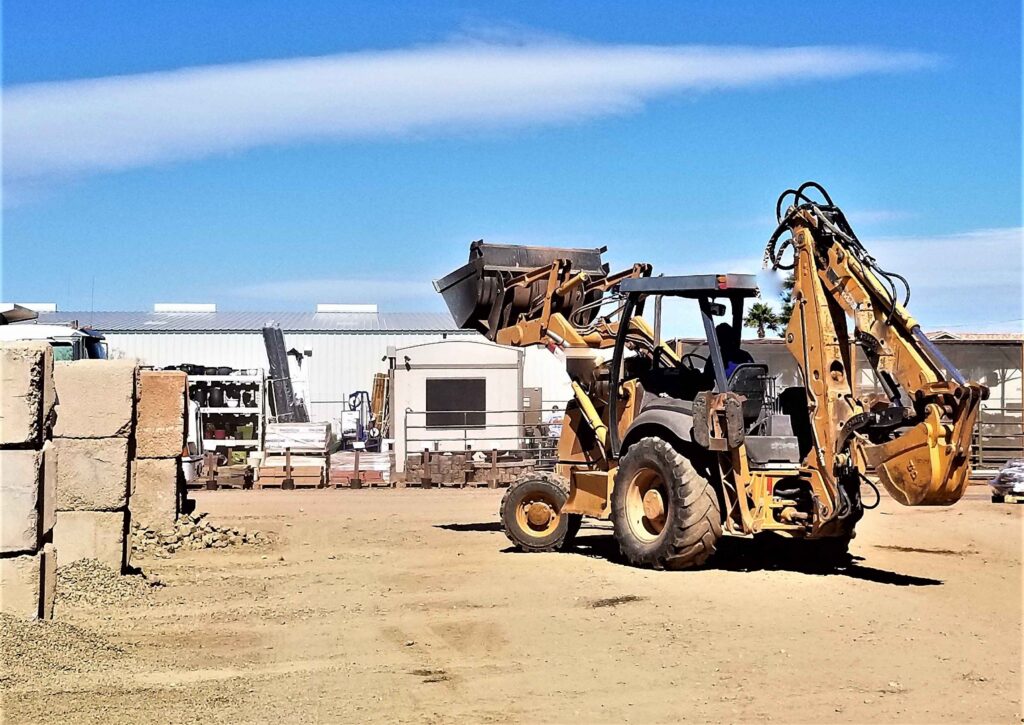
RentalResult keeps tracking live through the move. The delivery, the transfer, and the pickup all update the asset record, and the Logistics Solution plans routes and loads against the same data.
Customer result
21% → 3%
Holt of California cut outside carrier use from 21 percent of annual loads to 3 percent after moving dispatch to the Wynne Logistics Solution.
- ERP and accounting: SAP, Oracle, CMiC, and Viewpoint Vista
- Telematics: GPS location, engine hours, and fuel from connected providers
- Re-rents: RentalMan for re-rent availability and costs
- CRM and tax: Salesforce and Vertex
- Mobile: Job Site Portal and RentalResult GO on iOS and Android for requests, deliveries, and pickups


Keep reading
Go Deeper on Construction Equipment Tracking

The full platform
Tracking is one part of construction equipment management.
FAQ
Frequently Asked Questions About Construction Equipment Tracking Software
Straight answers to the questions contractors ask most about tracking equipment, tools, and bulk assets.
What is construction equipment tracking software?
Construction equipment tracking software provides real-time visibility into asset location, status, and utilization across jobsites, yards, and warehouses, supporting better allocation, higher utilization, and stronger operational control at scale.
What technology is used to track construction equipment?
Contractors track construction equipment with GPS telematics on heavy machines and vehicles, barcode or QR labels scanned on tools and small assets, and check-in and check-out records at yards and jobsites. Tracking software such as RentalResult brings all three into one asset record, so every method updates the same location and status.
Is a GPS tracker the same as equipment tracking software?
No. A GPS tracker reports where a machine is. Equipment tracking software records whether the machine is available, assigned, in transit, or down for service, which job it is charged to, and whether it can move to the next job. It also covers tools and bulk items that never carry a GPS unit.
How do you track construction tools and inventory across jobsites?
Give each tool, kit, or bulk item a record, label serialized tools with a barcode or QR code, and scan items at every check-out, transfer, and return. In RentalResult, those scans happen in the mobile apps and update the same record the equipment office sees, so a foreman and a yard lead never work from different lists.
Can construction equipment tracking software track tools and non-serialized assets?
Yes. Enterprise-grade tracking software supports serialized equipment, tools, non-serialized items, consumables, and bulk assets such as scaffolding or forms, allowing organizations to manage assets based on operational impact rather than serial numbers.
How does tracking work for tools and bulk assets that move between jobs?
Enterprise tracking systems manage tools and bulk assets as part of a circulating asset pool. Assets remain visible as they transition off completed jobs, return to yards or warehouses, and are redeployed, preventing loss of accountability at job closeout.
Does construction equipment tracking software help reduce unnecessary purchasing?
Yes. When teams lack visibility, they often over-order or re-rent. Real-time tracking shows what assets already exist, where they are, and whether they can be redeployed, reducing purchases driven by uncertainty rather than demand.
Who typically uses construction equipment tracking software?
Construction equipment tracking software is used by equipment managers, jobsite foremen, operations leaders, procurement teams, and executives seeking enterprise-wide visibility into asset utilization and movement.
Can construction equipment tracking integrate with requisitioning and off-rent workflows?
Yes. Tracking is most effective when it connects directly to how equipment is requested, allocated, transferred, and returned, ensuring visibility remains accurate as assets move through real workflows.
Is construction equipment tracking software only for large equipment?
No. While many tools focus only on heavy equipment, enterprise operations require visibility across all asset classes, including tools, consumables, and bulk assets that materially impact productivity and cost.
How does construction equipment tracking support executive decision-making?
By providing real-time insight into asset location, utilization, and movement, tracking software gives executives confidence that capital assets are being deployed effectively, supporting stronger governance and capital efficiency.