
Real-time equipment integration in construction has become essential for enterprise contractors. Construction companies no longer have the luxury of waiting for overnight data updates. Equipment moves continuously between jobsites, vendors, subcontractors, and maintenance workflows. Yet many contractors still rely on disconnected systems and delayed synchronization processes to manage critical operational decisions.
That disconnect creates operational friction across the business.
When systems update hours after field activity occurs, teams lose visibility into equipment availability, utilization, maintenance status, and billing accuracy. Leaders end up reacting to yesterday’s problems instead of making decisions in real time.
As enterprise contractors continue investing in digital transformation, real-time integration has become a foundational requirement for modern construction operations. Companies evaluating CMMS for construction equipment management now prioritize connectivity and live operational visibility just as much as core functionality.
Overnight Syncs Create Delayed Decisions
Many construction technology platforms still depend on batch processing. Data transfers occur overnight or at scheduled intervals. Teams export spreadsheets between systems to reconcile operational activity.
That process slows everything down.
A delayed sync can impact:
- Equipment availability tracking
- Rental billing workflows
- Fleet utilization reporting
- Maintenance scheduling
- Job costing visibility
- Asset transfer accuracy
For enterprise contractors managing hundreds or thousands of assets, those delays compound quickly.
An operations manager may believe equipment remains assigned to a project when the asset already moved to another site. A billing team may miss recoverable rental charges because usage data failed to update in time. Maintenance teams may respond too late because service alerts arrived hours after equipment issues started.
Disconnected systems force teams into reactive operations.
The challenge no longer centers on whether contractors use software. The challenge centers on whether their systems communicate continuously and accurately.
Real-Time APIs Are Reshaping Construction Technology
Modern construction operations require connected workflows.
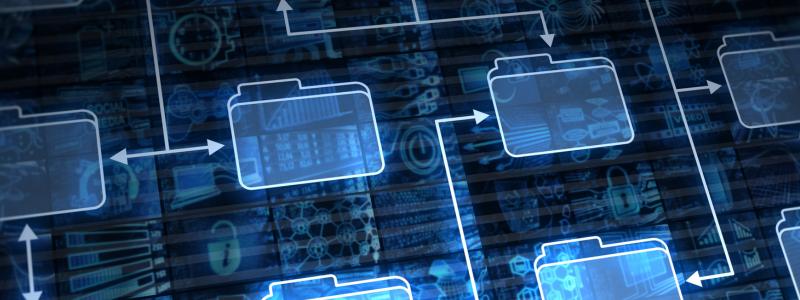
That shift has accelerated demand for API-driven construction equipment management software capable of synchronizing data instantly across multiple systems. Contractors now expect live connectivity between:
- ERP platforms
- Fleet management systems
- Telematics providers
- Mobile field applications
- Accounting platforms
- Maintenance systems
- Job costing tools
Real-time APIs eliminate the operational lag that batch processing introduces.
When a field team updates equipment usage, the information flows immediately into reporting and billing workflows. When telematics identifies downtime, maintenance teams can respond instantly. When equipment transfers occur, operations leaders gain immediate visibility into fleet availability.
That level of synchronization changes how construction companies operate.
Instead of relying on static reports, leadership teams gain live operational intelligence. Instead of manually reconciling disconnected systems, departments work from the same real-time data environment.
For large contractors, that operational speed directly impacts profitability.
Equipment Visibility Drives Better Utilization Decisions
Equipment utilization remains one of the most important performance metrics in construction fleet management software.
Unfortunately, many contractors still calculate utilization using delayed or incomplete data. That creates blind spots across the organization.
Without real-time visibility:
- Idle assets remain hidden
- Re-rentals increase unnecessarily
- Equipment transfers slow down
- Fleet allocation decisions lose accuracy
- ROI calculations become unreliable
Real-time equipment tracking changes the equation.
Connected systems allow contractors to identify underused assets faster and redeploy equipment more effectively across projects. Equipment managers gain confidence in availability data because systems reflect current field activity rather than outdated snapshots.
For enterprise fleets, even modest utilization improvements can create significant cost savings.
Better visibility creates faster decisions. Faster decisions improve fleet performance.
Modern CMMS Platforms Must Support Connected Operations
The expectations surrounding CMMS platforms continue evolving.
Construction leaders no longer evaluate software based solely on equipment tracking features. They evaluate how well systems integrate into broader operational workflows.
That distinction matters.
A modern CMMS for construction equipment management should support:
- Real-time integrations
- Flexible APIs
- Cross-platform visibility
- Mobile field synchronization
- Automated data sharing
- Scalable reporting environments
Enterprise contractors need systems that fit existing workflows while improving operational control across departments.
Disconnected platforms create administrative burden. Connected systems reduce friction and improve consistency across operations, finance, maintenance, and field teams.
That flexibility has become critical for IT and digital transformation leaders responsible for long-term technology strategy.
Real-Time Integration Improves More Than Visibility
Many contractors initially focus on visibility when discussing integrations. The larger operational value often appears in workflow efficiency and decision-making speed.
Real-time integration improves:
Billing Accuracy
Live operational data helps billing teams align rental charges with actual equipment usage and movement.
Maintenance Responsiveness
Instant alerts allow maintenance teams to address issues before downtime escalates.
Financial Reporting
Connected systems improve forecasting and asset lifecycle visibility.
Equipment Availability
Operations teams can allocate equipment faster with accurate, real-time status updates.
Executive Decision-Making
Leadership teams gain immediate access to operational performance data instead of waiting for delayed reports.
At scale, those improvements create measurable operational advantages across the organization.
Construction Technology Is Moving Toward Unified Ecosystems
The future of construction technology will revolve around connected operational ecosystems rather than isolated software platforms.
Enterprise contractors increasingly expect:
- Shared operational data
- Unified reporting environments
- API-first infrastructure
- Automated workflows
- Real-time operational intelligence
- Cross-platform interoperability
Technology decisions now depend heavily on integration flexibility.
Systems that cannot communicate effectively with the broader construction technology stack will create operational bottlenecks and limit scalability. Contractors investing in digital transformation need platforms that improve collaboration between operations, finance, maintenance, and field teams.
The conversation has shifted from simple digitization to operational synchronization.
Companies that embrace connected systems will move faster, improve utilization, reduce operational friction, and make more informed decisions across every stage of the equipment lifecycle.
Construction leaders evaluating their current technology stack should ask a critical question:
Can your systems support real-time operational decision-making, or are your teams still reacting to delayed information?
Explore how enterprise contractors are improving operational visibility, utilization, and workflow efficiency through connected construction equipment management software and modern CMMS platforms. Schedule a discovery call to discuss how real-time integrations can support your equipment operations strategy.