How HERE Maps enhances logistics inside construction equipment management software
Moving equipment between yards, warehouses, and job sites is one of the most operationally sensitive activities in construction. Every detour, idle hour, or missed delivery window directly affects utilization, labor productivity, and project schedules. For enterprise contractors managing large, distributed fleets, logistics inefficiencies quietly erode margin long before they show up in a report.
That is why routing intelligence can no longer exist as a standalone tool. When logistics data is disconnected from fleet and asset data, teams are forced to make transportation decisions without full context. Integrating advanced mapping and routing directly into construction equipment management software changes that dynamic by aligning movement, availability, and utilization in one operational view.
Why Precision Routing Matters for Equipment Logistics
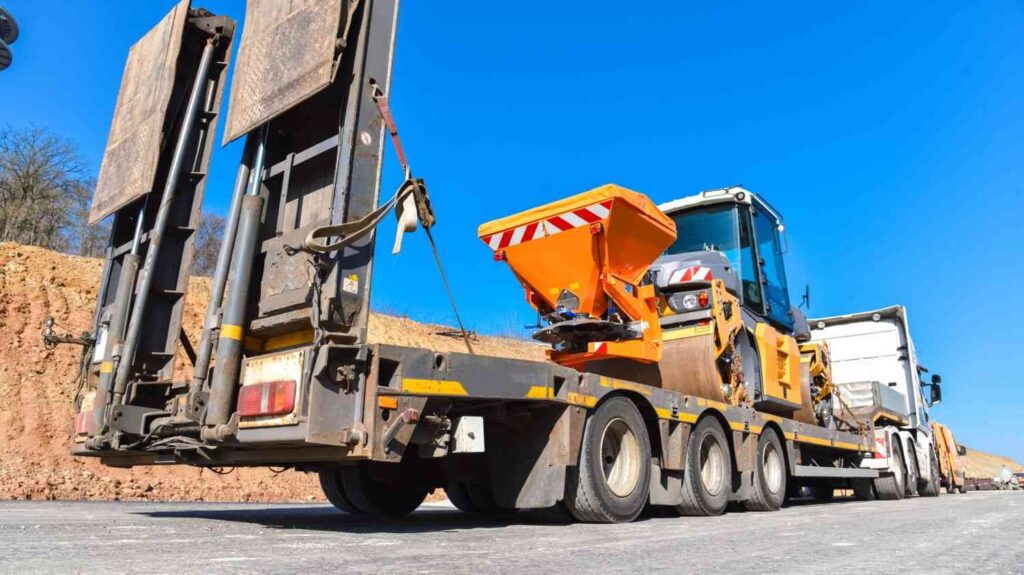
Most navigation tools are designed for passenger vehicles or light commercial delivery. They do not account for the realities of moving construction equipment—vehicle weight, load dimensions, clearance restrictions, or job-site access constraints. Using generic routing in an industrial environment increases risk, fuel costs, and delivery variability.
HERE Maps brings industrial-grade routing intelligence into logistics workflows. Routes are planned using parameters that reflect the actual fleet, ensuring that trucks carrying large or specialized equipment follow safe, compliant, and efficient paths. This precision reduces unnecessary mileage, avoids restricted roads, and protects both equipment and drivers.
When routing accuracy improves, the impact is felt beyond transportation. Equipment arrives where it is needed, when it is needed, improving downstream utilization and reducing idle time across the fleet.
Real-Time Visibility Changes How Teams Respond
Routing alone is not enough. Conditions change constantly—traffic congestion, weather events, job-site delays, and road closures all introduce variability. Real-time data allows dispatchers and fleet managers to respond before small issues become major disruptions.
Live updates within Logistics Solution give teams immediate insight into what is happening on the road. Routes can be adjusted proactively, delivery expectations reset accurately, and resources reallocated without relying on phone calls or guesswork. This improves schedule reliability while maximizing driver productivity and fleet capacity.
When real-time logistics data is visible alongside asset availability and utilization inside construction equipment management software, decisions are faster and more informed across operations and dispatch.
Built for Equipment, Not Just Transportation
Equipment logistics presents challenges that go beyond simple delivery. Assets move between yards, projects, subcontractors, and storage locations, often with tight timing and high financial exposure. Logistics Solution, enhanced by HERE Maps, is designed specifically for these realities.
Truck-specific routing accounts for size, weight, and clearance. Live tracking provides status updates throughout each move. Dispatch teams gain full visibility across locations, while analytics reveal patterns that affect utilization and cost. Over time, this insight supports better planning, fewer emergency moves, and more predictable execution.
This tighter coordination between routing and equipment data helps projects stay on schedule while improving the return on every equipment move.
How Construction Equipment Management Software Amplifies Routing Value
Routing intelligence delivers the greatest impact when it is part of a broader operational system. Construction equipment management software connects logistics activity with inventory control, fleet visibility, and utilization reporting, ensuring transportation decisions are made with full awareness of asset demand and availability.
When routing is integrated with equipment data, teams can prioritize moves based on real project needs, avoid unnecessary transfers, and reduce redundant transportation. Dispatch decisions align with utilization goals rather than reacting to last-minute requests. Finance and operations gain clearer insight into the true cost of equipment movement and its effect on asset performance.
This connection transforms logistics from a reactive function into a coordinated component of fleet strategy.
A More Connected Logistics Experience
The integration of HERE Maps makes Logistics Solution more predictive and more actionable by embedding routing intelligence directly into the systems teams already use. Manual check-ins decline, visibility improves across departments, and confidence increases that every piece of equipment is where it should be.
For enterprise construction organizations, this level of coordination supports operational efficiency at scale. Logistics decisions reinforce utilization targets, reduce transportation waste, and improve schedule reliability—outcomes that are increasingly critical as fleets grow more complex.
Logistics as a Fleet Performance Lever
Smarter routing and real-time results are not just logistics improvements; they are fleet performance improvements. When equipment movement is planned and executed with precision, utilization rises, costs fall, and projects run with fewer surprises.
Understanding how construction equipment management software brings routing, visibility, and equipment data together is a practical step for organizations looking to improve logistics discipline without adding complexity.
As construction operations continue to demand more speed, accuracy, and accountability, connected logistics will remain a differentiator—not just in transportation efficiency, but in overall fleet performance.
Interested in how smarter routing fits into a broader equipment strategy? Schedule a custom demo to see how RentalResult helps connect logistics, fleet visibility, and utilization in one system.