Why construction equipment management software is shaping the next era of fleet performance
In construction, equipment has always been more than a resource—it is a long-term investment that directly affects productivity, margins, and capital efficiency. Yet many contractors still manage their fleets reactively, relying on spreadsheets and disconnected tools that struggle to keep up with today’s operational complexity. As equipment costs rise and schedules tighten, lifecycle management is becoming a defining factor in who maintains control and who absorbs avoidable cost.
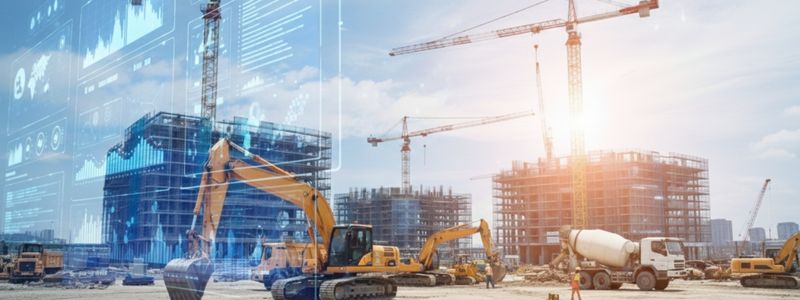
Heading into 2026, leading contractors are rethinking how they manage the full lifespan of their equipment. The shift is toward connected, data-driven lifecycle strategies supported by construction equipment management software, where ownership, utilization, maintenance, and replacement decisions are managed within one coordinated system rather than across silos.
From Reactive Tracking to Predictive Equipment Strategy
Traditional lifecycle management followed a simple, linear path: buy equipment, use it, maintain it, and eventually replace it. That approach worked when fleets were smaller and projects were easier to oversee. Today, enterprise contractors manage hundreds or thousands of assets across regions, business units, and job types—all with different utilization patterns and cost profiles.
The modern mindset is predictive rather than reactive. Contractors are increasingly relying on systems that centralize asset data, automate maintenance schedules, and surface performance trends early. Instead of reacting to failures and downtime, equipment teams use construction equipment management software to anticipate issues, plan interventions, and protect uptime before problems escalate.
This shift changes maintenance from an unpredictable cost into a managed, measurable process. Over time, proactive lifecycle management extends asset life, lowers total cost of ownership, and improves fleet reliability—outcomes that are increasingly non-negotiable in competitive markets.
Trend 1: Lifecycle Planning Driven by Real Equipment Data
One of the most important equipment lifecycle management trends in 2026 is the move away from intuition-based decisions. Contractors are consolidating data from procurement, maintenance, utilization, and finance into a single equipment management system that shows the full operational and financial story of every asset.
With integrated visibility, organizations can understand how often equipment is actually used, how much it costs to maintain, and when replacement makes economic sense. Instead of defaulting to new purchases, teams can identify underutilized assets, extend the life of high performers, and time replacements with far greater precision.
This level of insight turns lifecycle planning into a strategic capital discipline rather than a reactive response to breakdowns or budget cycles.
Trend 2: Integration Across the Equipment Ecosystem
For many contractors, the biggest barrier to effective lifecycle management is not a lack of data—it is fragmentation. Procurement, maintenance, rentals, dispatch, and billing often operate in separate systems, making it difficult to see how decisions in one area affect the rest of the fleet.
In 2026, integration is the differentiator. Construction equipment management software connects inventory control, scheduling, utilization reporting, and financial workflows in one platform. Operations teams know what equipment is available and where it is deployed. Finance teams gain real-time insight into cost recovery and utilization. Maintenance teams schedule service based on usage data instead of assumptions.
At enterprise scale, this integration allows contractors to manage their equipment division as a business within the business—complete with transparent costs, accountable performance, and measurable profitability.
Trend 3: Using Rentals to Extend Lifecycle Value
Idle equipment represents tied-up capital. As contractors focus more sharply on ROI, rentals—both inbound and outbound—are becoming a core lifecycle strategy rather than an exception. Instead of allowing equipment to sit between projects, many organizations are finding ways to keep assets productive through controlled rental activity.
An equipment management system that supports rental workflows allows contractors to track availability, manage contracts, and ensure accurate billing without losing control of asset condition or maintenance schedules. When done well, this approach extends lifecycle value by turning downtime into productive hours while maintaining long-term asset health.
This trend reflects a broader shift: lifecycle management is no longer just about ownership—it is about maximizing value from every hour an asset exists on the balance sheet.
Trend 4: Sustainability Becomes a Lifecycle Metric
Sustainability is now embedded in lifecycle planning, not treated as a separate initiative. Owners, regulators, and investors increasingly expect transparency around emissions, fuel efficiency, and asset utilization. As a result, contractors are using equipment data to support both environmental and operational goals.
Better fleet visibility helps reduce unnecessary transport, minimize idle time, and prioritize efficient equipment where it delivers the most value. Proactive maintenance extends asset life, reducing replacement frequency and waste. These outcomes are difficult to measure without consistent, system-wide data—another reason construction equipment management software is becoming foundational.
In 2026, sustainability and operational efficiency are no longer competing priorities. They are increasingly the same conversation.
Trend 5: Financial Intelligence and Lifecycle Profitability
Equipment lifecycle management is as much about financial performance as it is about operations. Contractors are paying closer attention to how much revenue an asset can generate relative to its cost—often described as its maximum earning potential over time.
By linking utilization data with automated billing, maintenance cost tracking, and cost recovery workflows, equipment management software provides a clearer picture of true asset profitability. Revenue leakage caused by manual tracking and delayed reconciliation becomes easier to identify and correct. More importantly, executives gain defensible data to support replacement, redeployment, or disposal decisions.
Lifecycle management moves from reporting what happened to forecasting what should happen next.
Preparing for the Next Phase of Lifecycle Management
As construction firms continue to digitize, lifecycle management in 2026 is defined by connected decision-making. Operational data, financial performance, and utilization trends increasingly live in one ecosystem, creating a continuous feedback loop between the field and the executive team.
Contractors that adopt integrated lifecycle platforms reduce downtime, improve cost accuracy, and make faster, more confident decisions. Those still relying on disconnected tools face growing friction as fleets become more complex and margins tighten.
Managing Value, Not Just Machines
Equipment lifecycle management is no longer about tracking assets—it is about managing value across time. The contractors best positioned for 2026 are those that combine visibility, discipline, and financial insight through construction equipment management software, turning equipment from a cost center into a measurable contributor to performance.
Understanding how these systems support lifecycle strategy is an important step for any organization looking to improve utilization, extend asset life, and protect margins as the industry evolves.
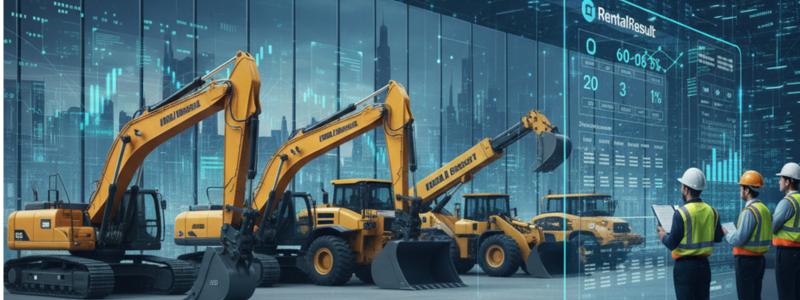
Interested in how leading contractors are modernizing lifecycle management for 2026? See how RentalResult helps equipment teams connect utilization, maintenance, rentals, and cost recovery in one system with a custom demo.