
Equipment management in construction is no longer just about knowing what is sitting in the yard. It has become a strategic function tied directly to cost control, productivity, and profitability. As projects grow larger and more complex, the ability to manage equipment as an operational system—not just a list of assets—has become a differentiator for enterprise contractors.
Yet many organizations still rely on spreadsheets, disconnected tools, or manual processes to track thousands of assets across jobsites. The challenge is not simply outdated technology. It is an outdated mindset that treats equipment as static inventory rather than a dynamic operational resource. Rethinking equipment management means shifting from basic tracking to systems that actively support smarter, data-driven operations.
Why Asset Tracking Alone Is No Longer Enough
Traditional equipment tracking answers a narrow question: “Where is it?” Modern construction operations require much more. Leaders need to understand how equipment is being used, whether it is earning its keep, and how availability affects project schedules and procurement decisions.
Without integrated systems, inventory control and fleet visibility remain fragmented. Field teams operate with partial information. Procurement reacts late to shortages. Finance lacks confidence in utilization and cost recovery. Over time, these gaps create downtime, excess rentals, and avoidable spend.
This is why organizations are moving toward construction equipment management software that connects asset data with utilization, inventory thresholds, and operational workflows. The goal is not just visibility, but control.
Categorizing Assets With Operational Intent
Smarter equipment operations start with structure. Categorizing tools and machinery—from handheld equipment to heavy assets—allows organizations to manage by operational value rather than serial numbers.
When assets are grouped by type, function, or usage profile, leaders gain the ability to analyze performance at both a granular and strategic level. A single overdue tool can be flagged for action, while broader trends across asset classes reveal where utilization is strong or where capacity is constrained.
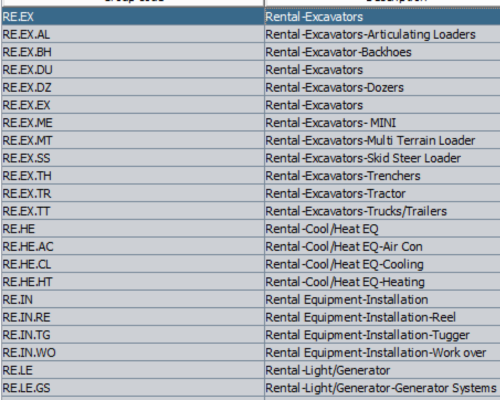
This type of structured inventory control is foundational to construction equipment management software, enabling teams to move fluidly between day-to-day execution and enterprise-level planning.
Custom Data That Reflects How You Actually Work
No two construction fleets are identical. Compliance requirements, inspection cycles, certifications, fuel types, and cost structures vary widely by organization and asset class. Systems that force uniform data models often create friction rather than clarity.
Modern equipment management systems support customization by asset type, allowing teams to capture the information that matters most to their operations. Field teams see relevant data without clutter. Warehouse managers track what affects availability. Compliance teams access inspection and certification details without manual follow-up.
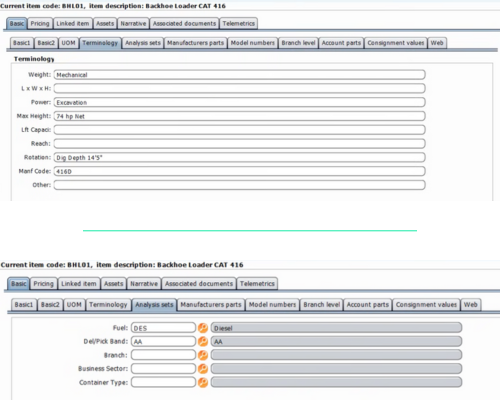
This flexibility is essential for building smarter operations. When systems adapt to real workflows, adoption improves and data quality follows—unlocking better fleet visibility across the organization.
Proactive Signals Instead of Reactive Scrambles
Knowing what you own is only part of the equation. Knowing what is missing, overdue, or running low is what keeps projects moving.
Automated alerts tied to inventory thresholds and return dates help equipment teams act before issues impact the field. Low stock notifications can trigger replenishment or transfers. Overdue returns surface quickly, reducing losses and downtime. Instead of reacting to shortages after crews are idle, teams stay ahead of demand.
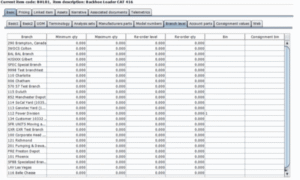
These proactive controls are a defining feature of construction equipment management software, turning equipment data into actionable signals rather than static records.
How Construction Equipment Management Software Enables Smarter Operation
The shift from tracking to managing requires systems that unify data and decision-making. Construction equipment management software connects inventory control, utilization data, and operational workflows into a single source of truth.
With this foundation, equipment managers can anticipate needs instead of responding to crises. Procurement decisions align with actual usage patterns. Project teams gain confidence that equipment availability reflects reality. Finance gains clearer insight into how assets contribute to operational efficiency.
Building an Equipment Operation That Scales
The ability to categorize assets, customize data, and act proactively may sound incremental. In practice, these capabilities form the backbone of a modern equipment operation—one that scales with the business instead of constraining it.
When equipment systems reflect how work actually happens, every function benefits. Downtime declines. Utilization improves. Decisions are made with data rather than assumptions. Equipment stops being a background concern and becomes a managed operational advantage.
Ready to see what smarter equipment operations look like in practice? Schedule a custom demo to see how RentalResult helps contractors connect inventory control, fleet visibility, utilization, and day-to-day workflows in one system built for enterprise construction.