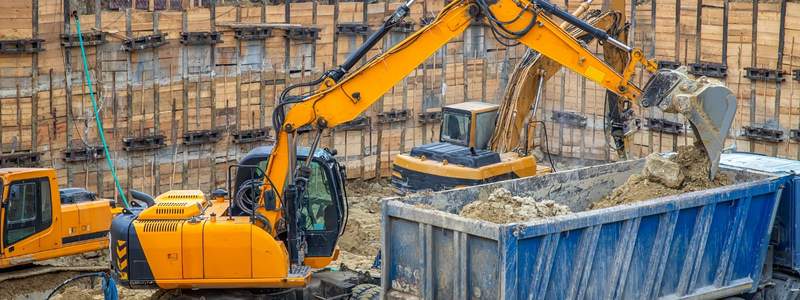

With the crane rental market projected to grow at over 6% compound annual growth rate (CAGR) from 2023 to 2032, the industry stands at a significant crossroads—balancing opportunity with rising operational complexity. Growth brings more projects, tighter timelines, and higher expectations for safety, compliance, and responsiveness. That makes the systems behind the work just as important as the equipment itself.
For leaders evaluating equipment rental management software, the biggest gains often come from improving the “non-equipment” operational disciplines that protect utilization, reduce risk, and keep crews productive. Below are seven insights reshaping crane rental operations—and what to focus on to stay competitive.
1) Operator Certifications and Training
Operator certifications and training remain the cornerstone of crane rental operations. Keeping certifications current is essential for compliance, safety, and workforce readiness—especially when schedules shift quickly and the right operator must be matched to the right job.
This is where modern systems help. Instead of tracking certifications in spreadsheets or disconnected HR tools, crane rental organizations benefit from having certification details tied to employees, roles, and scheduling workflows. When certifications are visible and current, you reduce last-minute scrambles and avoid preventable compliance exposure.
2) Compliance with Safety Regulations
In an industry where safety is non-negotiable, compliance must be operational—not occasional. Navigating OSHA guidelines and other regulatory frameworks requires consistent processes, clear documentation, and the ability to prove what happened (and when) if an incident occurs.
Regular checks and staying current on regulatory changes matter, but so does the ability to execute consistently across branches and teams. The most resilient operations treat compliance as a standard workflow, supported by tools that make it easier to document, monitor, and audit.
3) Effective Labor Management
Labor management is a primary driver of productivity and customer satisfaction. It’s not just staffing—it’s scheduling, workload distribution, and aligning skill sets to project requirements. In crane rental, where jobs are complex and timing is tight, the ability to adapt quickly is critical.
Efficient labor management improves project timelines and reduces costly gaps. The goal is to minimize idle labor while ensuring you have the right capabilities available for each assignment. Strong scheduling discipline also supports better customer communication when changes happen—because you can update plans with confidence.
4) Risk Management and Insurance
Crane operations come with real risk exposure—from onsite accidents to equipment damage. Adequate insurance coverage is essential, but risk management is bigger than insurance paperwork. It includes preventative processes, safety enforcement, incident readiness, and documentation that stands up under scrutiny.
Operationally, the best teams take a proactive approach: they track incidents, identify patterns, and implement changes before problems repeat. When risk processes are consistent, the business is better protected financially—and teams can respond faster and more effectively when something goes wrong.
5) Customer Relationship Management
Customer relationship management is a growth lever in crane rental. A strong CRM process helps teams manage client interactions, contracts, requirements, and feedback—without losing details across emails, texts, and side conversations.
In crane rental, communication and coordination often differentiate one provider from another. A robust CRM approach supports faster responses, clearer expectations, and better follow-through. When relationships are managed consistently, you reduce friction and increase repeat business—especially in a market where customer trust is earned through execution.
6) Regulatory Compliance and Auditing
Regular compliance audits help businesses identify and address issues before they escalate. This proactive approach supports both operational consistency and reputation—demonstrating commitment to ethical and compliant business practices.
Audits become significantly easier when required records are centralized and accessible. When teams can quickly produce documentation tied to certifications, safety checks, contracts, and job execution, compliance becomes less disruptive and more reliable across the organization.
7) Financial Management and Reporting
Financial management and reporting are essential for sustainability in crane rental. Detailed reports provide insight into operational efficiency, cost control, and profitability—supporting better strategic planning.
A strong reporting discipline helps leaders answer critical questions:
- Which projects are most profitable—and why?
- Where are costs rising (labor, maintenance, insurance, delays)?
- Which asset types or job profiles produce the best returns?
When reporting is timely and structured, decisions improve. You can identify margin leakage faster, adjust pricing with more confidence, and plan growth based on real performance—not assumptions.
Where Equipment Rental Management Software Fits in Crane Operations
The operational themes above—training, compliance, labor, risk, customer management, auditing, and reporting—work best when they’re connected. That’s the advantage of equipment rental management software: it supports a more unified approach to running the business, so teams don’t rely on fragmented tools to coordinate critical workflows.
For crane rental leaders, this also aligns closely with what modern crane rental management software should support: visibility across people, processes, and performance—not just equipment availability.
A platform like RentalResult is designed to help organizations manage these operational areas in a more connected way, from asset processes and labor allocation to revenue tracking and project cost management—while supporting certification visibility for a qualified workforce.
Build a More Scalable Crane Rental Operation
In crane rental, long-term success depends on how well you manage the complex operational disciplines around the equipment. Leaders who stay ahead do more than keep assets moving—they strengthen compliance, improve scheduling, reduce risk exposure, and use reporting to guide smarter decisions.
If you’re ready to strengthen scheduling, compliance, reporting, and customer execution, book a demo to see how equipment rental management software can help standardize crane rental workflows and support more predictable, profitable operations.