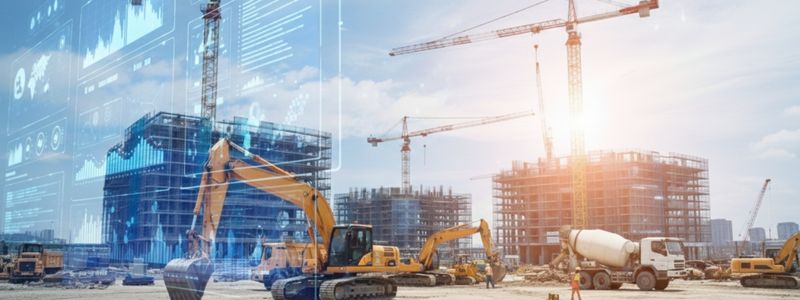
Utilization Inquiry goes beyond basic asset tracking. It provides real-time, detailed visibility into your fleet so teams can make faster, more informed decisions about equipment usage, maintenance timing, and where to deploy assets next. Used consistently, it becomes a practical advantage for improving utilization, reducing avoidable costs, and strengthening operational control with construction equipment management software.
Construction leaders face constant pressure to improve margins while keeping projects on schedule. Every piece of equipment is a major investment, and how often it’s working—versus sitting idle—directly impacts profitability. That’s where the Utilization Inquiry feature inside RentalResult can help.
Actionable Insights That Improve Decisions
Picture a fleet of mini excavators. Their availability affects schedules, productivity, and cash flow. Utilization Inquiry gives a clear, daily view of each machine’s status—whether it’s rentable, currently rented, or in maintenance—so you can act quickly instead of guessing.
With that visibility, equipment and operations teams can:
Identify underutilized assets
Idle time is often hidden across multiple yards and job sites. Utilization Inquiry helps you pinpoint equipment that’s sitting too long, so you can redeploy it to projects with immediate needs. The goal is straightforward: keep more assets working and reduce “we bought it, but we’re not using it” scenarios.
Predict future utilization
Historical utilization data reveals patterns—what gets used consistently, what spikes seasonally, and what sits unless someone actively pushes it into the plan. When you can see these patterns, you can forecast demand and position critical equipment where it’s needed before the job starts.
It also supports smarter planning around slower periods. If you expect a dip, you can schedule maintenance when it least impacts operations—or evaluate third-party rentals when it makes sense for your business.
Plan with fewer surprises
Utilization Inquiry makes availability and status easier to validate before you commit to a schedule. Instead of learning too late that an excavator is down or already assigned elsewhere, teams can confirm readiness earlier and keep work moving with fewer last-minute pivots.
Cost Savings That Add Up Fast
The real value of Utilization Inquiry is how it helps teams eliminate the costly friction that comes from poor fleet visibility. It’s not just about reporting—it’s about finding the operational actions that protect margin.
Minimize idle time
Idle equipment generates no revenue while still carrying costs—maintenance, depreciation, storage, and administrative overhead. Utilization Inquiry helps expose “silent drains” by showing where equipment is sitting and for how long. When you can identify excessive idle time, you can take action: redeploy, reassign, or adjust the plan to increase utilization.
Optimize resource allocation
Real-time equipment status helps teams allocate resources more effectively. When an excavator needs maintenance, project and equipment teams can see it quickly and adjust—either by shifting schedules or allocating an alternative unit.
That proactive decision-making helps reduce downtime and avoid expensive delays. It also creates more predictable workflows for dispatch, maintenance, and job site teams because everyone is working from the same equipment status picture.
Reduce operational friction between teams
Many utilization problems come down to handoffs: a job site assumes equipment is available, dispatch is working off a different view, and maintenance is managing a separate list. A single, reliable utilization view helps align those teams. When fleet visibility improves, the “phone calls and spreadsheets” layer shrinks—and productivity improves without adding headcount.
Building a Future-Proof Fleet
Utilization Inquiry isn’t only about today’s decisions. It also supports longer-term fleet planning by providing consistent data you can trust.
Data-driven fleet management
When you continuously review utilization trends, you gain clearer insight into which assets deserve more investment and which may be candidates for retirement. Over time, this supports more disciplined acquisition planning and helps ensure your fleet matches your project mix—not just historical purchasing habits.
Smarter acquisition and retirement decisions
Reliable utilization history can guide whether to buy another unit, shift an asset between regions, or reduce a category that consistently underperforms. It also helps teams avoid holding assets that are no longer aligned with demand.
The outcome is a more modern, efficient fleet built around real usage patterns—supported by the reporting and visibility capabilities inside construction equipment management software.
Conclusion: A Strategic Imperative
When equipment utilization is managed actively—not passively—profitability improves. By incorporating the Utilization Inquiry feature into daily operations, you can increase asset utilization, improve agility, and uncover hidden capacity across your fleet. It’s not simply a reporting view; it’s a way to run tighter equipment operations and make decisions with confidence.
Ready to take control of fleet performance? Learn how RentalResult construction equipment management software can help you turn utilization data into action—reducing idle time, improving availability, and supporting smarter planning across every job.
Stop guessing where your equipment is—and whether it’s working. Book a demo to see how RentalResult turns utilization reporting into real operational control across your fleet.