Equipment Procurement Has Moved Closer to the Jobsite
For years, equipment procurement in construction followed a predictable path: a request came in, someone cut a purchase order, and the job moved forward in a tidy sequence. That still works fine when you’re ordering rebar or lumber. But the moment heavy equipment enters the picture, the old model starts to buckle.
These days, those decisions happen much closer to the jobsite, and much closer to real-time demand. Project teams need equipment immediately, not after a structured procurement cycle. What begins as a single request quickly becomes a set of decisions: is the asset already available internally, can it be transferred, should it be re-rented, or does it justify a purchase?
That’s the real change. Procurement has stopped being a routine step and become a decision point, one that ripples straight through operations, cost, and how a project actually gets delivered.
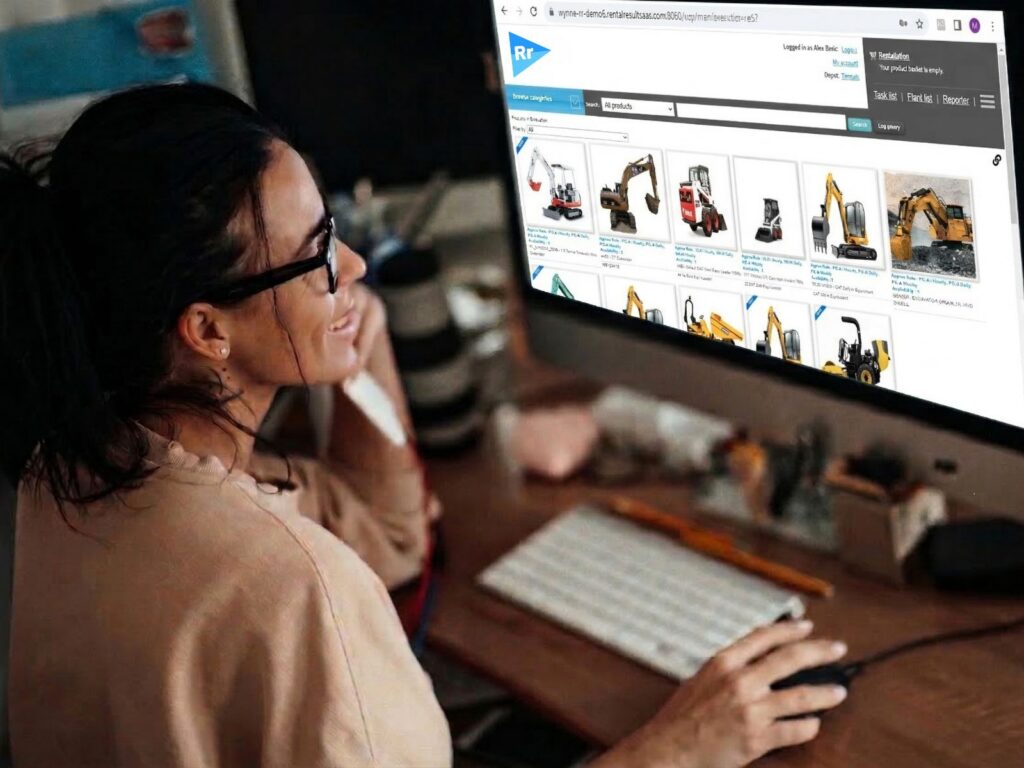
It’s also why more contractors are turning to construction equipment management software, which handles those calls while they’re still operational choices, long before they harden into financial transactions.
Why One Procurement Request Creates Multiple Sourcing Decisions
At scale, procurement almost never follows a single path. One requisition can bundle together several equipment types, and each one pulls in a different sourcing strategy. Maybe part of it comes off your own fleet, part gets covered by a third-party re-rental, and the rest has to be bought outright, all on the same order.
Timing makes it messier still. Not everything is needed at once. Some assets have to be on site tomorrow; others aren’t scheduled for weeks. So procurement teams end up weighing availability, urgency, and cost all at the same time, on the same request.
Procurement, in other words, isn’t really about processing a transaction anymore. It’s about juggling several fulfillment paths inside one workflow.
That level of coordination is difficult to manage in traditional systems, especially when those systems are designed primarily for financial processing rather than operational decision-making.
Why Traditional Procurement Models Break Down
Enterprise systems like SAP are built for financial control, and they’re good at it: purchase orders, invoices, cost allocation, all tracked with precision. What they were never built for is the shifting, day-to-day reality of equipment out on a job site.
The gap becomes clear when procurement decisions need to happen before the financial structure is defined. Operational teams need to:
- Determine sourcing in real time
- Track equipment at the asset level
- Manage changes after the initial request
- Handle a mix of owned and external equipment
These are not static transactions. They are evolving workflows.
In a lot of companies, that’s where things start to split. The operational side ends up managing all the messy, moving parts by hand, spreadsheets, phone calls, side agreements, while the financial system only sees the clean version after the fact. The result is delayed visibility, fragmented data, and missed opportunities to optimize utilization.
What works better is drawing a clearer line between the two. Let the financial system do what it’s good at, and give the operational side its own way to handle sourcing decisions as they actually unfold.
How Re-Rentals Turn Procurement into an Ongoing Process
Third-party rentals are one of the clearest examples of why procurement has become more complex.
At a high level, a re-rental involves issuing a purchase order and receiving equipment. In reality, it introduces a continuous lifecycle that must be managed over time. Equipment is often delivered directly to the jobsite, where confirmation happens in the field, not in procurement. Site teams may capture serial numbers, validate equipment condition, and confirm that the asset is in use.
From there, the financial complexity begins. A single re-rental may generate recurring invoices over weeks or months. Costs need to be tracked continuously, not just at the point of receipt. In some cases, the equipment may be reassigned to a different project, requiring cost visibility to shift accordingly.
This breaks the traditional “one PO, one receipt, one invoice” model. Instead, procurement becomes an ongoing process that requires both operational tracking and financial alignment.
Construction equipment management software addresses this by treating re-rentals as active workflows rather than static transactions. It allows contractors to track equipment from the moment it is requested through delivery, usage, and final off-rent, while maintaining a clear connection to financial systems.
Procurement Now Requires Real-Time Integration
Another key shift is the expectation of real-time data flow between systems. Contractors are moving away from batch processes and delayed updates. They need procurement activity to be reflected immediately across operations and finance.
This includes:
- Creating and updating purchase orders in real time
- Maintaining visibility into active equipment across projects
Modern integration approaches reflect this need. Instead of relying on overnight processing, systems now use event-driven workflows where transactions trigger updates as they happen. This ensures that both operational and financial teams are working with the same information at the same time.
This level of integration is not just a technical improvement. It changes how decisions are made. When teams trust that data is current and accurate, they can act faster and with greater confidence.
Designing Procurement Around Reality, Not Theory
One of the more important insights shaping modern procurement strategies is the need to rethink long-standing processes. Many organizations still operate based on workflows that were designed years ago around system limitations rather than operational needs.
Asking “why” has become a critical part of improving procurement:
- Why are decisions delayed until a purchase order is created?
- Why are teams re-entering the same data across systems?
- Why is equipment tracked differently depending on ownership?
These questions often reveal inefficiencies that can be addressed with better workflow design and more flexible systems.
RentalResult’s approach reflects this mindset. With over 30 years in the equipment and rental industry, the platform has been shaped by professionals who have worked in operational roles, not just software development. That experience shows up in how workflows are designed—supporting real-world scenarios like mixed sourcing, back-to-back rentals, and asset-level tracking across internal and external equipment.
Rather than forcing contractors to adapt to rigid processes, the system is designed to align with how procurement decisions are actually made in the field.
Procurement as a Strategic Lever
As procurement becomes more dynamic, it also becomes more strategic. The decisions made at this stage directly influence fleet utilization, project timelines, and overall cost control.
Organizations are better positioned to utilize owned equipment before turning to external rentals. They reduce unnecessary purchases by improving visibility into existing assets, and they gain more accurate cost tracking, which improves project forecasting and financial reporting.
More importantly, they create alignment between operations and finance. Equipment decisions are made with a clear understanding of both operational impact and financial outcome.
This is where construction equipment management software delivers the most value. It provides the structure needed to manage complexity without slowing down decision-making. It allows contractors to move quickly while maintaining control.
The Future of Equipment Procurement Is Operational
Equipment procurement is no longer a simple transaction because the environment it operates in has fundamentally changed. Projects are more complex. Equipment is more expensive. Timelines are tighter. Decisions carry more weight.
The traditional model of requisition, purchase order, and invoice is too rigid for this reality. What is needed is a more flexible, workflow-driven approach that supports real-time decision-making and connects operational activity to financial systems.
Construction equipment management software enables contractors to manage the full lifecycle of equipment decisions, from request to fulfillment to cost tracking—while maintaining the structure required at the enterprise level.
For organizations looking to improve utilization, control costs, and respond faster to project demands, procurement is no longer just a function. It is a strategic capability.