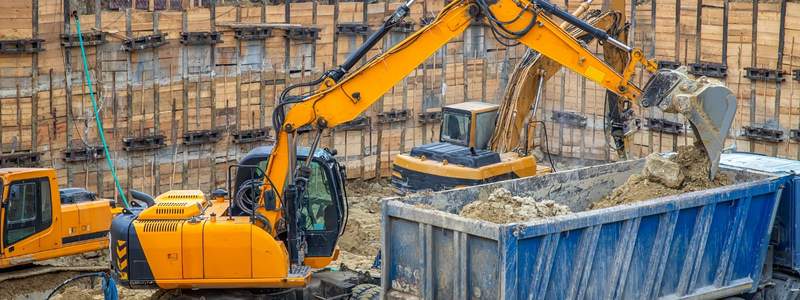
A crane mobilizes to a job site at six in the morning. The operator clocks in. The machine sits rigged and ready while the general contractor’s schedule slips, and the first pick does not happen until after lunch. By the time the day closes, six hours of operator time have passed that no one entered against the contract. The crane was committed. The operator was paid. The customer was never billed for the wait.
Crane rental revenue leakage starts right here, in that unbilled gap. On the finance side, that gap has a name, even if no one says it out loud: white space. It is the time a crane and its operator are committed to a job but never reach a billable line, and in crane rental, it is where revenue quietly leaks out of an otherwise healthy rate card.
The leak you cannot see on a report
White space hides in the ordinary. Standby hours during a weather hold. Operator hours that run past the bare-rental assumption built into the rate. Mobilization and idle time waved off because reconstructing it after the fact is harder than absorbing it. None of this shows up as a loss. It shows up as a margin that is quietly thinner than the rate card promised, and a finance team that cannot explain why.
Why the crane rental revenue leakage gap keeps widening
Three pressures are pulling it open.
- The operator is your scarcest input. The operator is the most expensive and most scarce input in the business. Certified crane operators are hard to hire and harder to keep. When their hours are not captured against the job, the single most valuable resource on site is the one leaking the most revenue.
- Bare rental and operated rental keep blurring. A crane rented with an operator carries a labor component that has to be tracked by the hour, not assumed. When billing treats operated hours like a flat rental rate, every hour of overtime, standby, or extended shift is margin given away.
- Customers scrutinize invoices line by line. This is especially true for the sophisticated general contractors now running their own internal equipment divisions as profit centers, serving their own job sites and outside subcontractors. A standby charge that cannot be tied to a timestamp, a job, and a sign-off does not get paid. It gets disputed. And a disputed invoice is worse than an unbilled one: it costs labor to defend and still may not collect.
Run the math on one machine
Take a single operated crane that leaks just four unrecorded operator hours a week. At a blended operated rate well into the hundreds of dollars per hour, that is tens of thousands of dollars a year, from one asset. Multiply it across the fleet and the leak stops being a rounding error. It becomes a line of business running below its real margin, invisible on every report because the hours were never recorded to begin with.
The human cost compounds it. Coordinators spend their weeks rebuilding time from texts, paper tickets, and memory, and finance closes the month late because the data arrives last and arrives dirty.
What closing the gap looks like
The fix is not working harder at month-end. It is shrinking the distance between when time happens and when it is recorded. Operated hours captured in the field, against the job, the day they occur. Standby and overtime treated as billable events with a timestamp and a reason, not exceptions someone has to remember. Cost and margin visible lift by lift, where the lift is the operation and the crane is the machine doing it. When the record is built as the work happens, white space stops being invisible. It becomes a billable line, or a deliberate decision, never an accident.
Four habits that stop the leak
- Capture operator hours where the work happens. The further time travels before it is recorded, the more of it disappears. Field confirmations of operated hours from a mobile app (tied to the asset, the operator, and the job) turn standby and overtime into data instead of disputes.
- Separate the machine from the labor on every operated rental. Track bare-rental hours and operator hours as distinct billable components. When the operator’s time is its own line, overtime and extended shifts bill at the right rate instead of vanishing into a flat day rate.
- Default the cost and phase codes before the work starts. Most coding errors happen because someone enters the wrong code under pressure, or none at all. Set default phase and cost codes at the item level so they carry into every order, and time lands against the right job automatically.
- Cost every lift, not just every contract. Reviewing margin at the operation level (crane, crew, gear, and hours for that specific lift) surfaces the jobs that quietly lose money before they become the rate you quote the next customer.
Expect pushback from the field, and take it seriously
Operators and coordinators have watched “time tracking” become a euphemism for surveillance and busywork. The reframe that matters to them is simple: capturing operated hours accurately is not about proving they worked. It is about making sure the company gets paid for the work they already did, and protecting them from the dispute that lands on their desk three weeks later, when a customer questions an hour no one can account for. Accurate time is the operator’s defense, not the manager’s microscope.
For the leaders reading this
The leak in a crane operation is rarely the rate. It is the time the rate was supposed to cover and never did. You cannot bill what you cannot see, and you cannot see what was never recorded. Close the gap between the work and the record, and the margin you thought you were running becomes the margin you actually keep. Purpose-built equipment rental management software is what makes that record possible.
RentalResult captures operated hours against the job in the field and costs every lift down to the line, so standby, overtime, and operator time become billable revenue instead of white space.
See how RentalResult turns operated crane time into billable revenue. Request a demo.